
The Circulation Room – A Reflection on Ultra-Fast Fashion and Sharing
Written by Mirell Merirand (STICT project manager)
We live in a world where everything has to be fast. Cars, the internet, even reading—speed-reading courses are more popular than ever (not to mention one-minute fairy tales for children). But nothing moves faster than fashion. It seems that when it comes to getting dressed, people are constantly racing against time.
Once, fast fashion was the problem. Today, it’s ultra-fast fashion — a beast of an entirely new scale. France, for instance, differentiates the two by production speed: fast fashion brands release about 1,000 new items a day, while ultra-fast fashion companies push out up to 12,000. The result? A dizzying flood of clothes that no one really needs.
The numbers tell a stark story. Every year, the global fashion industry produces between 100 and 150 billion garments — and around 120 million tons of that ends up in landfills or incinerated. We already have enough clothes on this planet to dress the next six generations, yet production keeps accelerating.
Behind this endless stream of cheap clothes lies an uncomfortable truth. The average price of clothing has plummeted over the past 30 years, while production has skyrocketed. Clothes are cheaper than ever—so cheap that we no longer think twice before buying, or before throwing them away. But the real price is paid elsewhere: in developing countries, where garment workers often earn far below a living wage and work under harsh, unsafe conditions.
Fashion is now one of the world’s most polluting industries, responsible for about 10% of global carbon emissions. It consumes vast amounts of water, chemicals, and energy, and pollutes rivers and ecosystems in the process. Yet we rarely think about who made our clothes—or what happened to them before they ended up on a hanger.
The problem isn’t scarcity—it’s abundance. We don’t lack things; we lack balance and the ability to share. That’s why we created Ringlustuba, The Circulation Room—a space where anyone can come and take three items they love, completely free of charge.
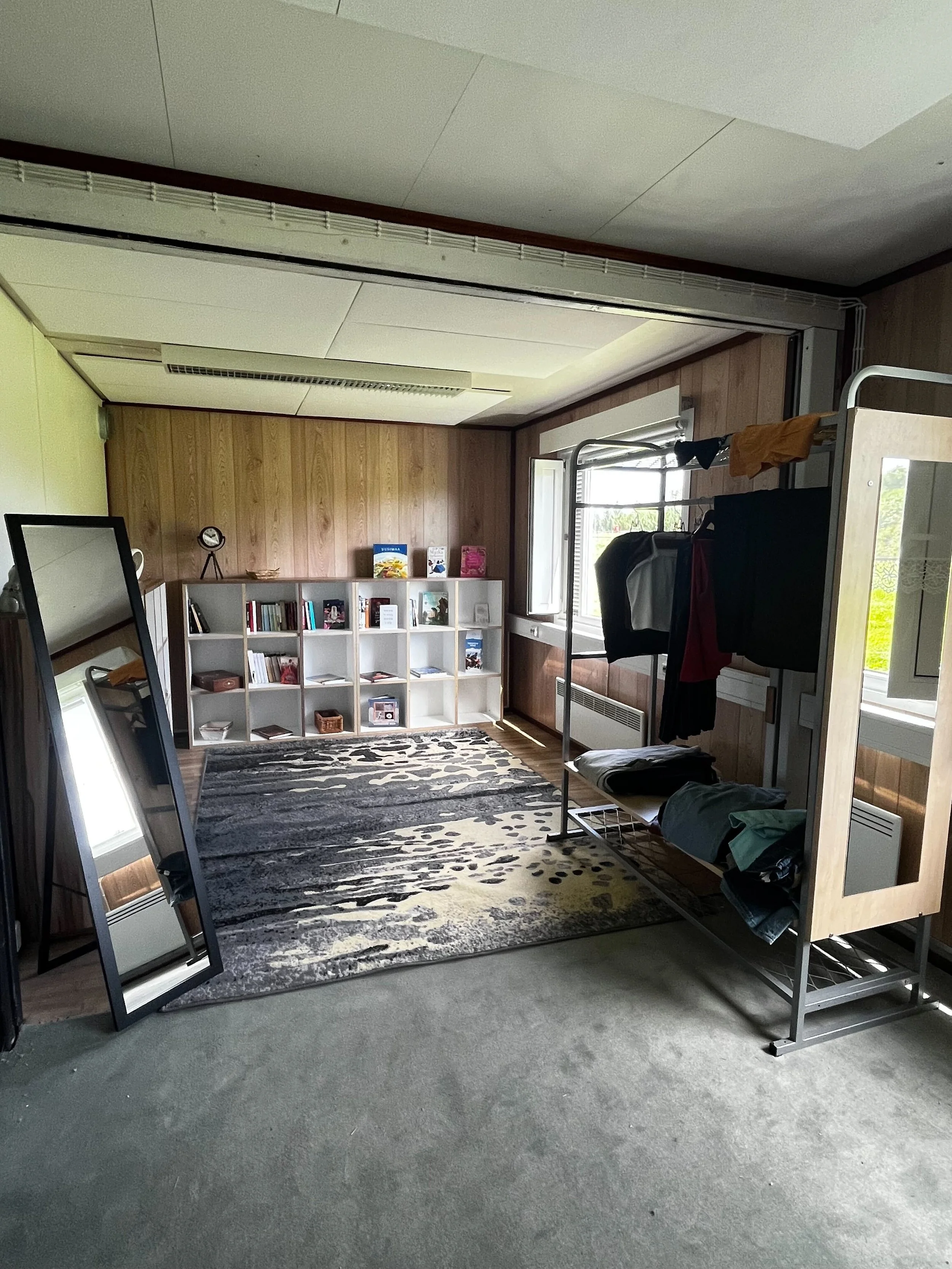
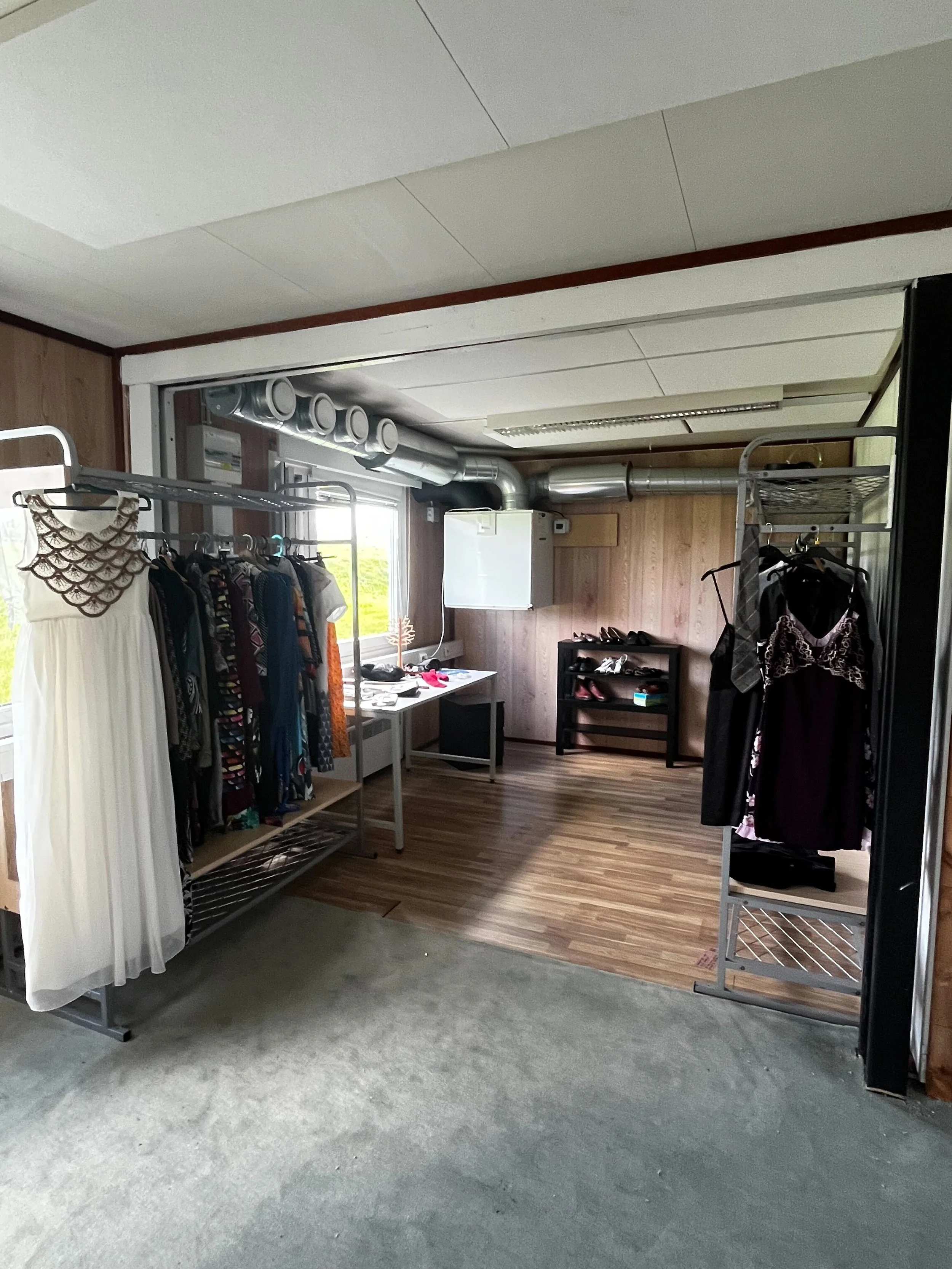
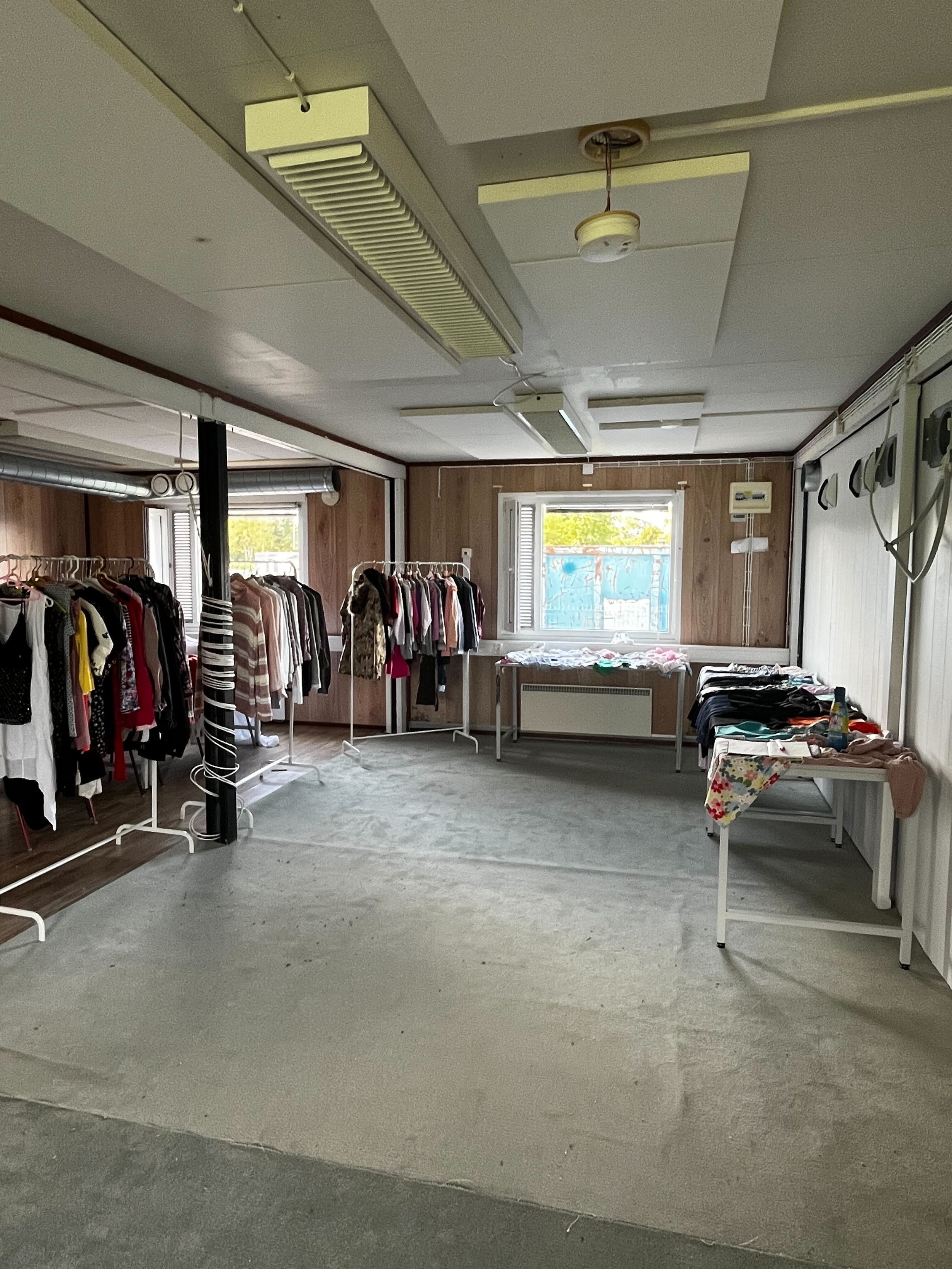
When we first started the project, many people didn’t understand why we wanted to give things away. Sharing and exchanging are not yet normalised in our society. But we believe that through small actions like this, we can challenge the culture of overconsumption and bring forward values that truly matter: care, empathy, friendship, honesty.
We want to show that there’s already more than enough to go around. You don’t need to hoard. You don’t need to buy in bulk during sales. You can get things for free—but the key is to consume mindfully. Take only what you need, and learn to pass things on.
If we want to slow down the cycle of overconsumption and protect the planet, we must relearn the value of what we already have. Repair instead of replace. Choose quality over quantity. Support ethical brands. Swap, borrow, and share.
Real change doesn’t start with giant corporations—it starts with us, with everyday choices and small, intentional steps toward a slower, more caring world.
Love your clothes!
Read more about our STICT project here.
