
Triin Lumi, Estonia
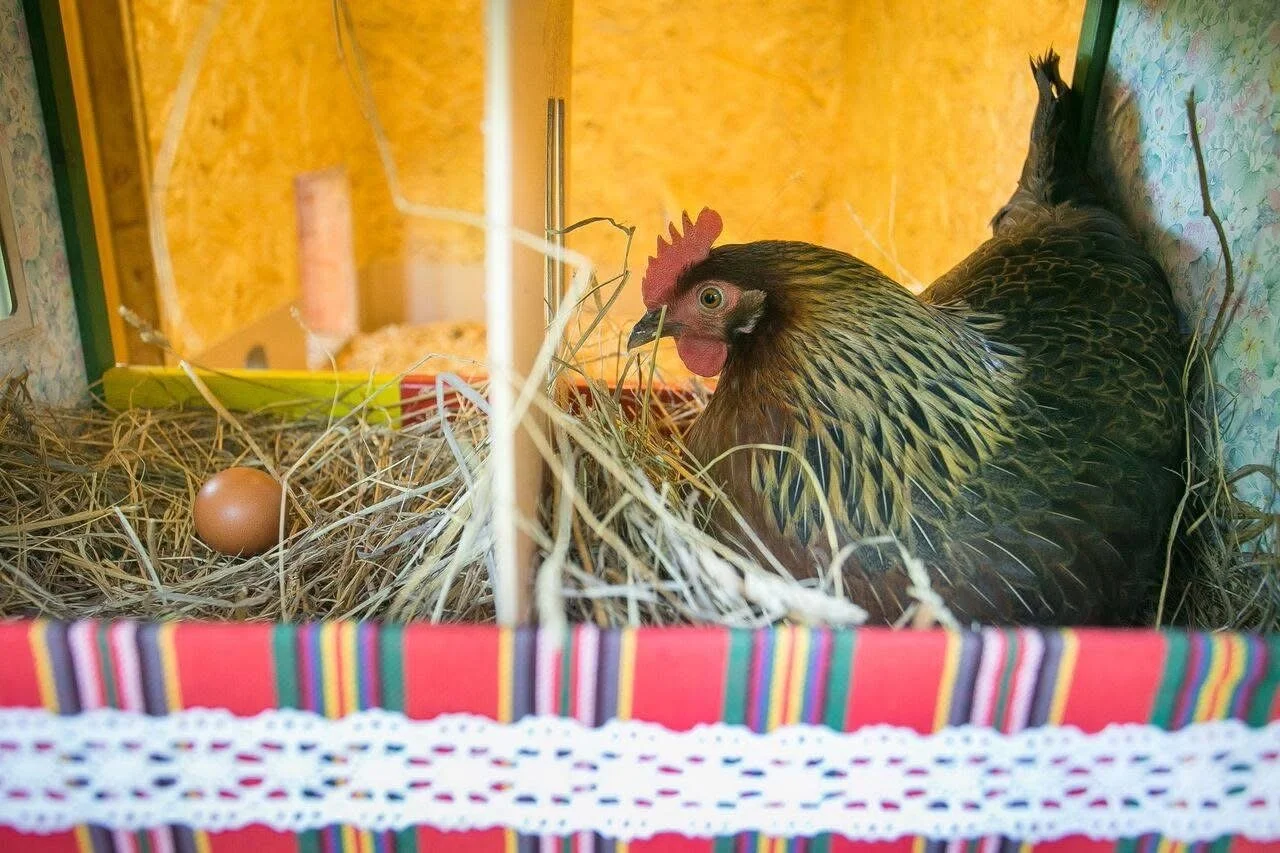
Before joining this project, I considered myself a conscious consumer. I thought carefully about food waste, and in our household, leftovers never really went to waste — they usually ended up feeding our chickens. Whenever I had the option in the supermarket to buy milk that expired today rather than in three days, I would happily choose the discounted carton. As a family with five children, every euro saved matters.
Then, during the project’s introductory seminar, I learned that the average household wastes around 63 kilograms of food each year. The figure seemed surprisingly high, so I decided to measure our own food waste.
The results were eye-opening. Although the monitoring period included two children’s birthdays and wasn’t entirely representative of a normal week, extrapolating the data over a full year suggested that our family was wasting around 84 kilograms of food annually. I was genuinely shocked. I had always believed I was making thoughtful and responsible choices, yet our household was wasting even more than the average.
At first, I tried to justify the number by reminding myself that ours is a larger-than-average family. But the more I reflected on our habits, the more I realised that the explanation lay elsewhere.
A clear pattern emerged. Every time I visited the supermarket, I was drawn to products with 30–70% discounts because they were close to their expiration date. The logic seemed perfectly sound: we are a big family, so surely someone will eat them.
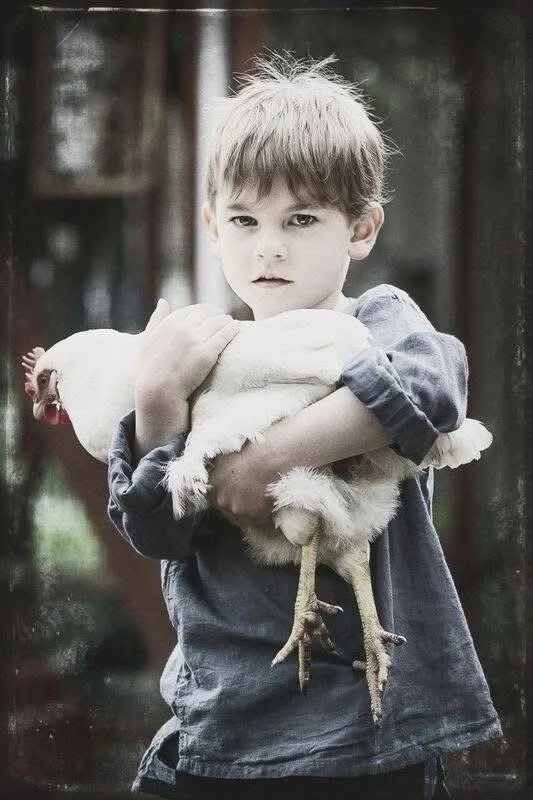
Instead, our refrigerator became overfilled. Not everything was eaten in time, and perfectly good food eventually made its way to the chickens. Sometimes it was a slice of cake, sometimes cream cheese, grilled meat or cottage cheese. Other times I found myself eating leftovers for days simply because I couldn’t bear the thought of throwing food away.
Slowly, I realised that I wasn’t really saving food at all.
Farmers don’t grow crops, bakers don’t make cakes, and supermarkets don’t stock shelves so that I can eventually feed perfectly edible food to my chickens. The real solution isn’t to rescue more discounted products — it’s to buy less in the first place.
I also recognised another uncomfortable truth. Because I dislike wasting food, I often felt responsible for finishing everything myself. In trying to “save” food, I had effectively turned my own body into its final storage place. The consequence wasn’t less waste but unnecessary overeating.
This project has made me rethink what responsible consumption actually means. It isn’t about buying every discounted product because it’s cheap. Sometimes the most sustainable decision is simply to leave it in the shop for someone who genuinely needs it and to trust that I don’t have to save everything myself.
The financial benefit is there too. Money not spent on unnecessary bargains can instead be used for experiences that create lasting memories — like taking the children to the cinema or the theatre.

Recently, I’ve started putting these lessons into practice. This week I visited the supermarket only once and bought just two discounted cartons of milk. I deliberately walked past the other reduced-price shelves without stopping, resisting the temptation to add “just one more thing” to the trolley.
Looking back at my food waste records, another pattern became obvious: a lot that ended up as chicken feed was still in unopened packaging. The problem wasn’t leftovers from meals — it was buying too much in the first place.
Now, with summer approaching, our freezer is packed with berries, frozen cheese and many other forgotten purchases. Instead of shopping, I’m trying to work through what we already have, layer by layer.
Sometimes I even think about the Soviet era, when scarcity meant people simply couldn’t overbuy. There wasn’t an abundance of food to accumulate, and overconsumption wasn’t really an option. While I certainly wouldn’t romanticise those times, they do offer an interesting reminder that abundance can create its own challenges.
There is still plenty for me to learn, but recognising the pattern has been the most important step. My goal is no longer to rescue as much discounted food as possible. My goal is to bring home only what our family will actually use.
Perhaps the most sustainable food is the food that never has the chance to become waste at all.

CARE on uuenduslik Horizon Europe projekt, mille eesmark on edendada säästvat eluviisi ja võidelda kliimamuutustega. Keskendudes igapäevastele toidu- ja riietumisega seotud harjumustele, aitab CARE esialgu 100 leibkonnal viies Euroopa riigis vähendada oma keskkonnamõju järgmise nelja aasta jooksul.

Projekti koduleht:
