
Learning through the Zero Waste Certification process
Written by Kristiina Kerge, published in Ekologi brez meja blog.
When people hear the word certificate, they might imagine an assessment, a checklist, a proof of achievement, or a framed certificate hanging on the wall. However, Zero Waste Certification for municipalities is much more than a certificate. It is a structured pathway towards smarter resource management and a better environment for all citizens. This June I worked as the lead auditor during the re-audit of the Slovenian municipalities of Vrhnika, Borovnica and Log-Dragomer. I had the opportunity to witness their ongoing Zero Waste journey. What made this experience even more valuable was that the re-audit took place alongside the BEZWA2 practical training for future city mentors and auditors, allowing participants to experience a real certification process firsthand.
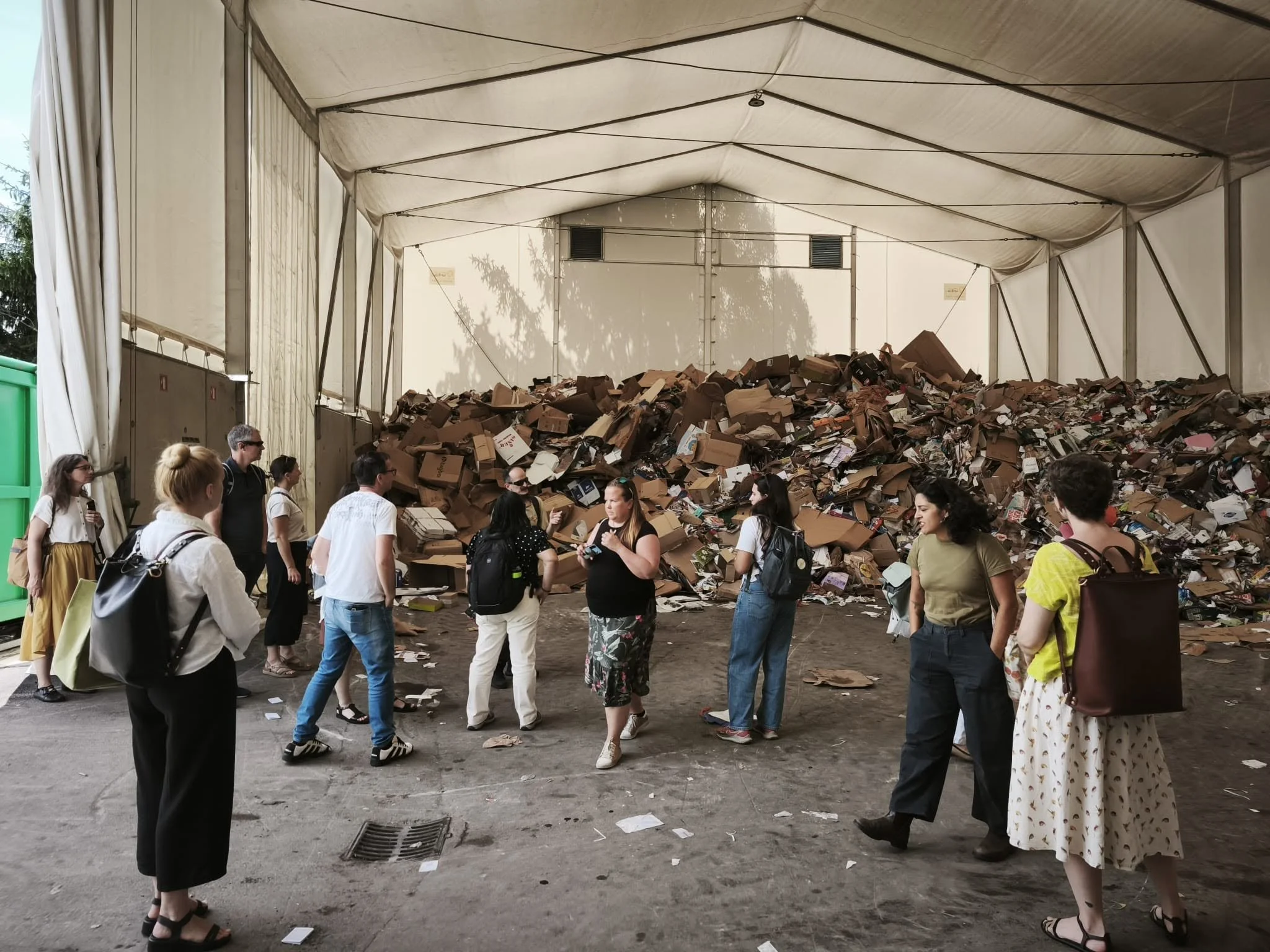
The most valuable outcome of the certification process is not just receiving a certificate. It is the journey that municipalities undertake to become certified—bringing together people, analysing existing practices, identifying gaps, and building a shared vision for the future.
During the audits, I met dedicated municipal staff, waste management and reuse professionals from JP KPV and DEPO and dedicated Zero Waste advocates from Vrhnika kindergarten.
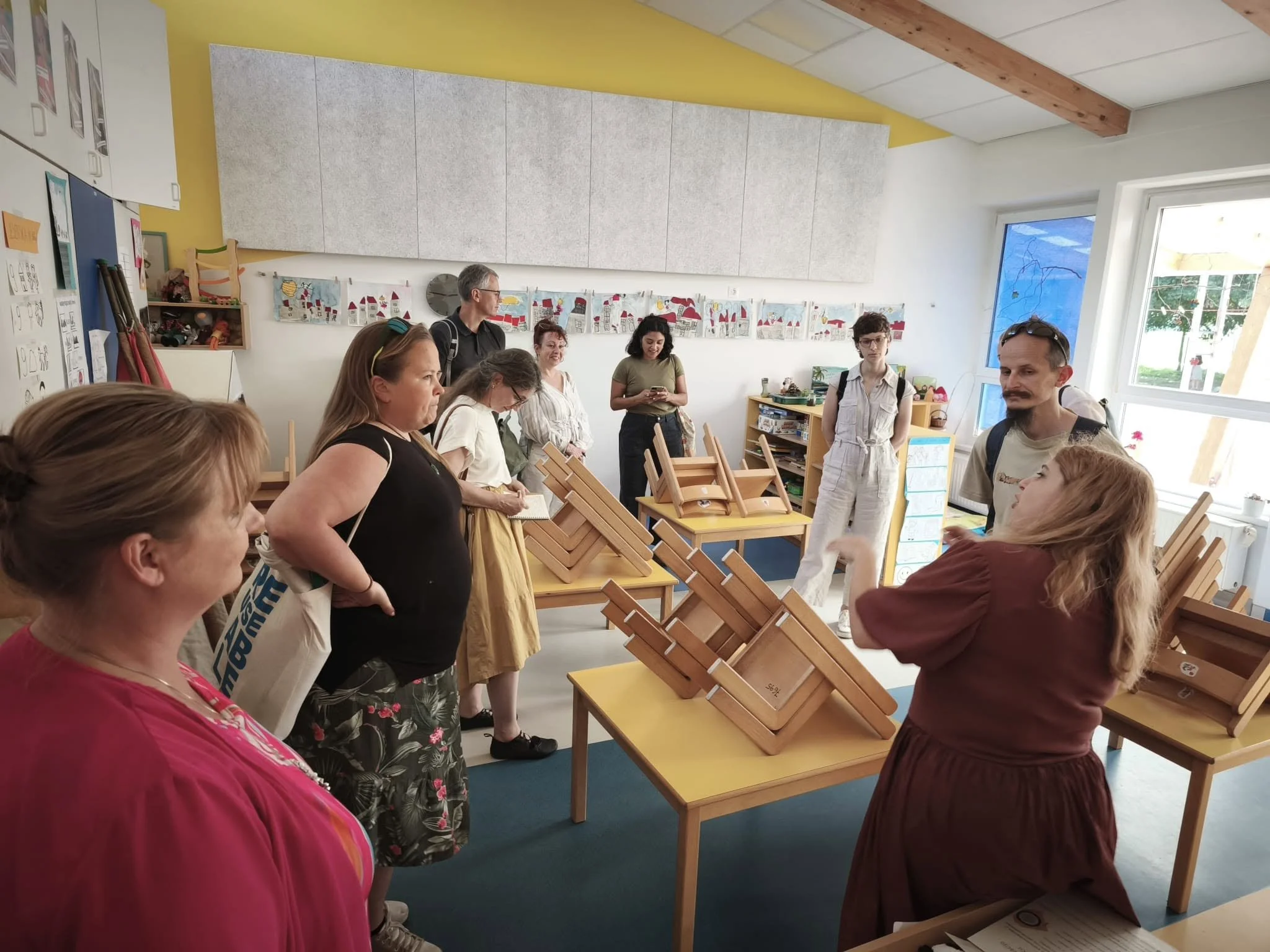
Each municipality had its own strengths, challenges and priorities. None of them was "perfect", and none was expected to be. What impressed me most was their willingness to openly discuss where they were today and where they wanted to be in the future. For example how to make reuse the first option in events or how to find a solution to prevent littering.
A Zero Waste municipality is not created by achieving a high recycling rate alone. It is built by asking different questions. How can we prevent waste before it is created? How can procurement support reuse? How can citizens become partners instead of simply service users? How can decisions made in one department support the goals of another?
These questions rarely have simple answers. They require cooperation across departments, organisations and communities. This is exactly what the certification process encourages.
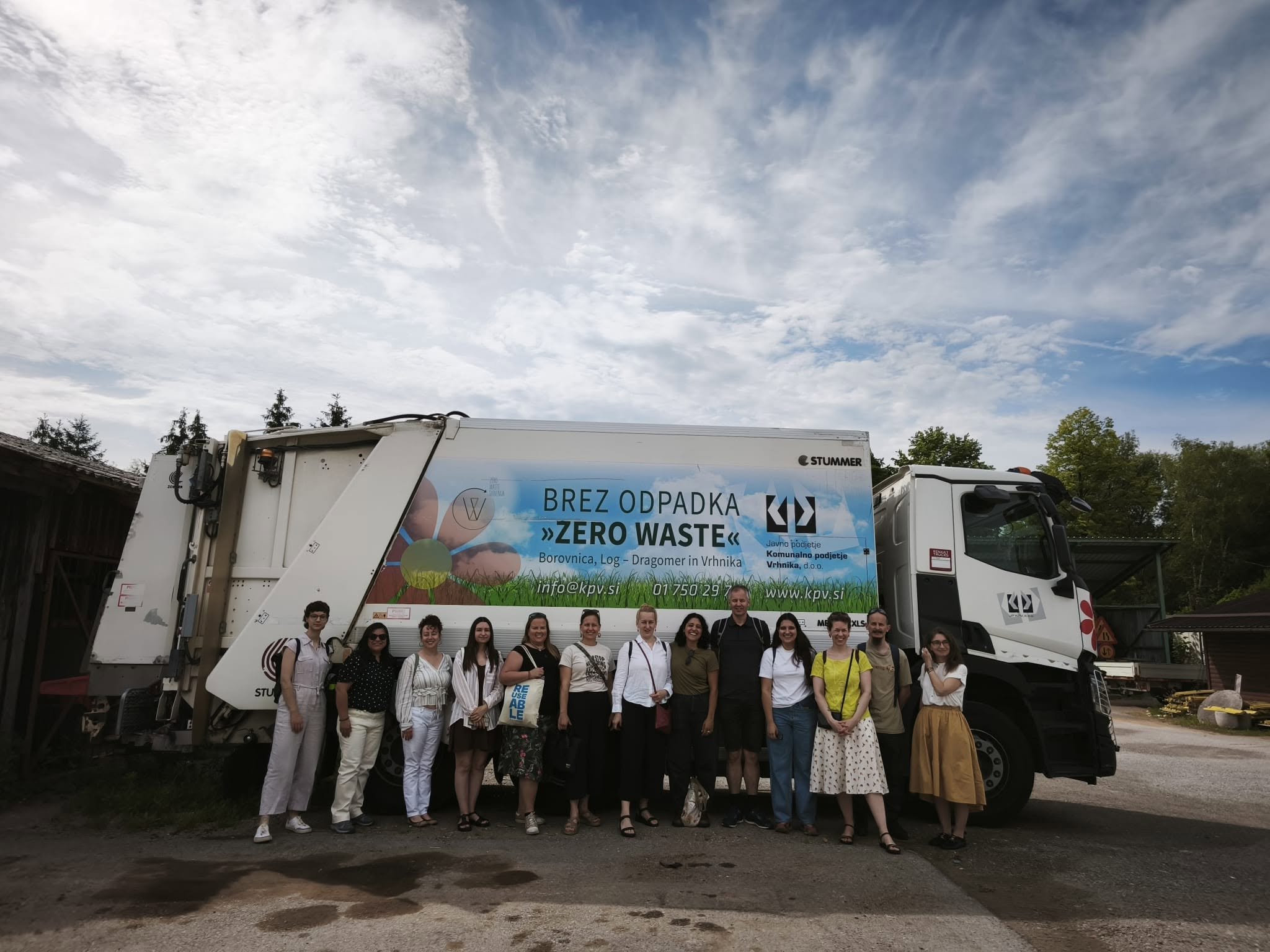
The re-audit also reminded me that becoming a Zero Waste municipality is not a one-time achievement. Continuous monitoring is essential. Municipalities need to regularly assess their progress, evaluate whether their policies are producing the intended results, and understand how these decisions affect people in everyday life. Waste prevention is ultimately about much more than waste—it is about making efficient use of resources while ensuring that citizens have fair access to the services, infrastructure and solutions that enable more sustainable choices.
The BEZWA training follows the same philosophy. Knowledge alone does not change municipalities. Learning becomes valuable when participants analyse their own local situation, discuss different perspectives and apply new ideas in practice. Having the opportunity to participate in a real municipal re-audit allowed future mentors and auditors to see how certification works beyond the written criteria and how constructive dialogue becomes one of the most valuable parts of the entire process.
Taking on the role of lead auditor for my first Zero Waste re-audit was a valuable learning experience. Each municipality demonstrated different solutions that may inspire others. Good ideas travel surprisingly well. A successful approach tested in one municipality often becomes the starting point for improvements somewhere else.
Perhaps this is the greatest value of the Zero Waste network. Certification is not about comparing municipalities or rewarding those that already perform best. It is about creating a community that learns together, shares experiences and continuously raises its ambitions.
The certificate is an important milestone. But the real achievement is building confidence that change is possible — and having a structured Zero Waste Certification process that supports municipalities in continuously improving their performance and advancing their Zero Waste ambitions.
The BEZWA2 project (Building the European Zero Waste Academy 2) is an Erasmus+ funded collaboration between four organisations with the main aim to create a strong educational framework in support of the Zero Waste Cities movement in Europe. The project partners are Mission Zero Academy, Ekologi brez meja, Zero Waste Alliance Ukraine and Zero Waste Estonia as the project coordinator.
